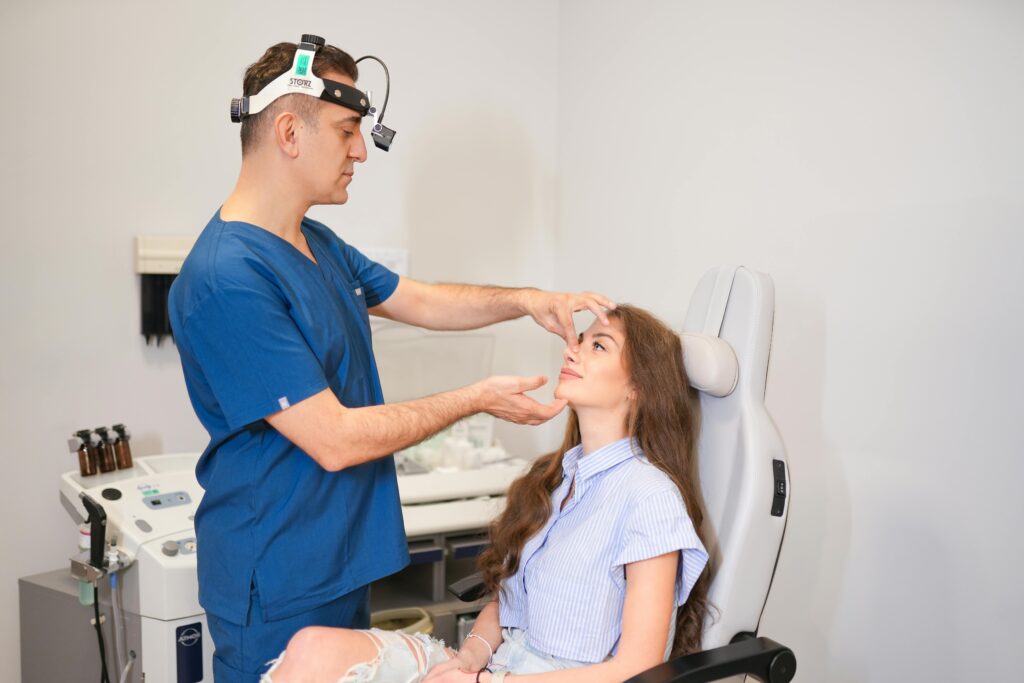
Rhinoplasty — commonly called a nose job — is one of the most complex and expensive cosmetic procedures available. Pricing varies significantly based on the surgeon’s experience, the complexity of the procedure, and your location. This guide breaks down how much rhinoplasty costs in 2026 so you can plan and budget realistically.
Disclaimer: All prices on this page are estimates based on industry averages and publicly available data. Actual costs vary by surgeon, location, and individual treatment needs. Always consult a board-certified plastic surgeon for an accurate quote.
Average Rhinoplasty Cost in 2026
Rhinoplasty is one of the pricier cosmetic surgeries because it involves anesthesia, a surgical facility, and a highly skilled surgeon. Here’s what to expect:
| Procedure Type | Average Cost |
|---|---|
| Standard rhinoplasty | $5,000 – $15,000 |
| Revision rhinoplasty | $8,000 – $20,000 |
| Non-surgical rhinoplasty (filler) | $800 – $1,500 |
| Tip plasty (tip only) | $3,000 – $8,000 |
| Septoplasty (functional) | $5,000 – $10,000 |
What’s Included in the Cost?
Rhinoplasty pricing typically includes several components. Always ask your surgeon to itemize costs during your consultation:
- Surgeon’s fee: $3,000 – $10,000 depending on experience and location
- Anesthesia fee: $1,000 – $1,500
- Surgical facility fee: $700 – $2,000
- Pre-op tests and imaging: $200 – $500
- Post-op care and follow-ups: Sometimes included, sometimes billed separately
Rhinoplasty Cost by Region
| Region | Average Total Cost |
|---|---|
| New York City / Los Angeles | $10,000 – $20,000 |
| Chicago / Miami / Dallas | $7,000 – $15,000 |
| Midwest / Southeast | $5,000 – $10,000 |
| Rural areas | $4,000 – $8,000 |
Non-Surgical Rhinoplasty: A Lower-Cost Alternative
Non-surgical rhinoplasty uses dermal fillers to temporarily reshape the nose without surgery. It costs significantly less — typically $800 – $1,500 — and requires no downtime. Results last 6–12 months. It’s ideal for minor adjustments but cannot reduce nose size or correct structural issues.
What Affects the Cost of Rhinoplasty?
- Surgeon’s experience: Top board-certified surgeons command higher fees — and for good reason. This is your face.
- Complexity: Primary rhinoplasty is less expensive than revision surgery, which corrects a previous nose job.
- Open vs. closed technique: Open rhinoplasty (with an external incision) is more complex and may cost more.
- Geographic location: Major metro areas charge significantly more than smaller markets.
- Facility type: Hospital-based procedures cost more than accredited outpatient surgical centers.
Recovery and Hidden Costs
Budget for more than just the surgery itself. Recovery from rhinoplasty typically takes 1–2 weeks before returning to work, and up to a year for final results to settle. Additional costs to plan for include:
- Prescription medications: $50 – $200
- Time off work (lost income)
- Post-op garments or splints: included by most surgeons
- Travel costs if going to a specialist in another city
Is Rhinoplasty Covered by Insurance?
Cosmetic rhinoplasty is not covered by insurance. However, if you have a deviated septum or breathing problem, the functional portion of the surgery (septoplasty) may be partially covered. You would pay out of pocket for any cosmetic changes. Always check with your insurance provider beforehand.
Bottom Line
Rhinoplasty in 2026 typically costs between $5,000 and $15,000 for a standard procedure, with revision surgery running higher. Non-surgical options offer a more affordable alternative for minor reshaping. Always consult with a board-certified plastic surgeon and get multiple quotes before making any decisions.
All prices reflect industry average estimates based on publicly available data as of 2026. Individual costs may vary. Glow Cost Guide does not provide medical advice.